

Warm weather opens up terrain that stays locked under snow or ice the rest of the year, from high alpine passes to river canyons too cold to wade in spring. Wildlife is more active, days stretch longer, and full trail networks come alive at once. Some parks reward early starts and careful timing more than others, but each offers a distinct reason to build a summer trip around it, whether that means waterfalls, glaciers, or desert canyons.
Yellowstone: Geysers, Wildlife, and Wide-Open Wilderness
Yellowstone National Park spans parts of Wyoming, Montana, and Idaho, and summer is when nearly all of it becomes accessible. Snowmelt clears the high-elevation roads connecting the park's five entrances, opening routes to the Lamar Valley, often called America's Serengeti for its bison herds, elk, and resident wolf packs. Old Faithful and the Grand Prismatic Spring draw the biggest crowds, but the park's backcountry trails, including the Mount Washburn and Fairy Falls routes, offer geothermal scenery with a fraction of the foot traffic. Early morning and early evening are the best times to spot wildlife along the roadways, when animals are most active and traffic is lightest.
Yosemite: Waterfalls and Granite Giants
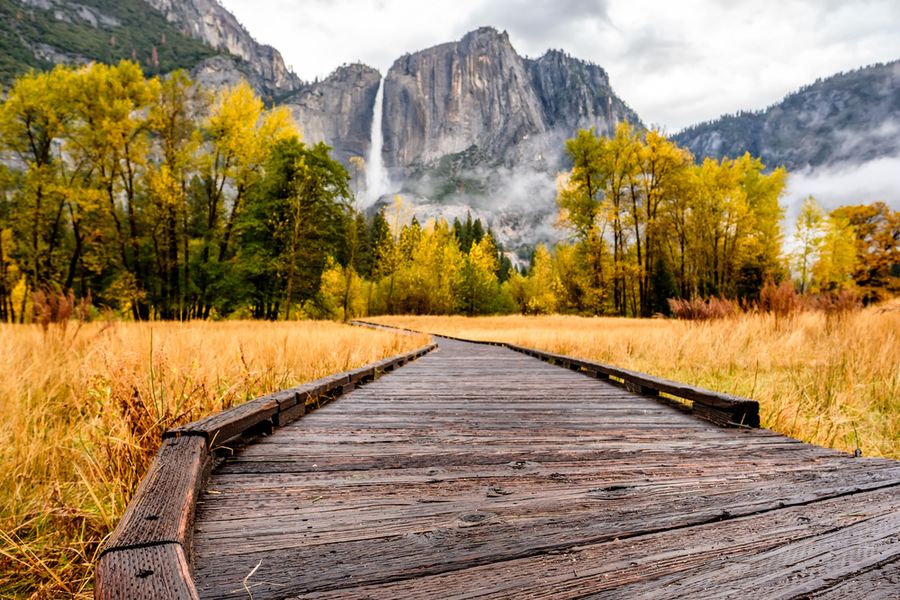
Yosemite National Park in California's Sierra Nevada is at its most dramatic in early summer, when snowmelt sends Yosemite Falls, Vernal Fall, and Nevada Fall thundering at full volume. By July and August the falls thin out, but warmer temperatures open high-country trails around Tuolumne Meadows and the Tioga Pass corridor that remain buried in snow through spring. Half Dome and El Capitan anchor the valley floor views, while multi-day treks into the park's granite backcountry reward hikers willing to carry a permit and a bear canister. Giant sequoias in the Mariposa Grove round out a park that pairs towering rock formations with some of the oldest living trees on Earth.
Glacier: Alpine Trails Before They Melt Away
Glacier National Park in Montana has one of the shortest true summer windows of any major park, since Going-to-the-Sun Road, its signature crossing of the Continental Divide, often doesn't fully open until June and can close again by early fall. That narrow season makes summer the only reliable time to drive the full route or hike trails like Highline and Grinnell Glacier, which trace alpine ridgelines above turquoise lakes. The park's namesake glaciers are retreating quickly, giving the hikes an added sense of urgency. Mountain goats and bighorn sheep are common sights along the higher trails, particularly near Logan Pass.
Great Smoky Mountains: America's Most Visited Park
No park draws a bigger crowd than Great Smoky Mountains National Park, which straddles the Tennessee-North Carolina border and charges no entrance fee. Its position within a day's drive of a huge share of the U.S. population, combined with easy access from Gatlinburg and Pigeon Forge, keeps it at the top of the National Park Service's visitation rankings year after year. Summer brings dense, humid ridgelines, waterfall hikes like Laurel Falls and Abrams Falls, and some of the best wildlife viewing in the eastern parks, including regular black bear sightings around Cades Cove. The elevation gain toward Clingmans Dome offers a noticeably cooler escape from valley heat and humidity.
Zion and the Southwest's Canyon Circuit
Utah's canyon country is a summer staple, anchored by Zion National Park, where towering sandstone walls frame hikes like Angels Landing and The Narrows, a trek that involves wading directly up the Virgin River. Nearby, Bryce Canyon's amphitheater of hoodoos and Capitol Reef's quieter orchards and slot canyons offer a similarly dramatic landscape with smaller crowds, and pairing them with Arches and Canyonlands makes for a full loop through red-rock terrain. Summer temperatures in the canyons regularly climb past 100°F, so early starts, ample water, and heat precautions are essential, particularly for anyone attempting the river hike through The Narrows.
Acadia and Grand Teton: Cooler Summer Escapes
For travelers looking to avoid desert heat, Acadia National Park in Maine and Grand Teton National Park in Wyoming offer milder summer conditions alongside dramatic scenery. Acadia's coastal granite peaks, including Cadillac Mountain, pair tide-pooling and fresh Maine lobster with genuine hiking on trails like the Beehive and Precipice Loop. Grand Teton, just south of Yellowstone, delivers jagged alpine peaks reflected in Jenny Lake and String Lake, along with world-class fly fishing on the Snake River, making it a natural add-on for a Yellowstone road trip.
Making the Most of a Summer Visit
Regardless of destination, a few habits consistently improve a summer park trip. Checking each park's official NPS alerts page before departure catches last-minute closures from wildfire smoke, flash flooding, or storm damage that can shut down entire trail systems with little notice. Arriving at trailheads and scenic overlooks before 9 a.m. avoids both the midday heat and the worst parking crunches, especially at compact lots near popular waterfalls and summit trails. Weekday visits, when possible, spread crowds more evenly than weekend trips, and shoulder weeks in early June or late August can offer a quieter alternative to the peak of July. Packing extra water, sun protection, and a paper map for areas with unreliable cell service also goes a long way toward a smoother trip, whichever park ends up on the itinerary.